We’ve all heard it before: “Lighting design is too expensive.”
And yes – professional lighting design services come with a price tag. But the real question is: compared to what? The value of lighting design often becomes clear only once the project is complete. It reveals itself later in unnecessary fittings, glare issues, higher maintenance bills, or spaces that simply don’t feel right. Those are the quiet, hidden costs that no one budgets for, yet they can easily outweigh the original design fee.
In lighting, design isn’t about adding more. It’s about knowing where and why to add light at all. A good lighting designer doesn’t just make a space look beautiful, they make it work beautifully. They understand the architecture, the people who use the space, and how light influences comfort, mood, and function.
Good lighting design brings clarity. It refines choices, prevents over-specification, and ensures that every luminaire earns its place – technically, visually, and emotionally. The true value of lighting design lies in this precision and understanding – knowing what to include, and what to leave out. When lighting is planned with intention, you don’t just save on energy and maintenance. You save on regret.
Sometimes we see projects where lighting solutions were selected quickly, often to meet a budget or a deadline, and later had to be revisited because the result didn’t match the vision. It’s no one’s fault. It’s simply what happens when design is treated as an optional extra rather than an integral part of the process.
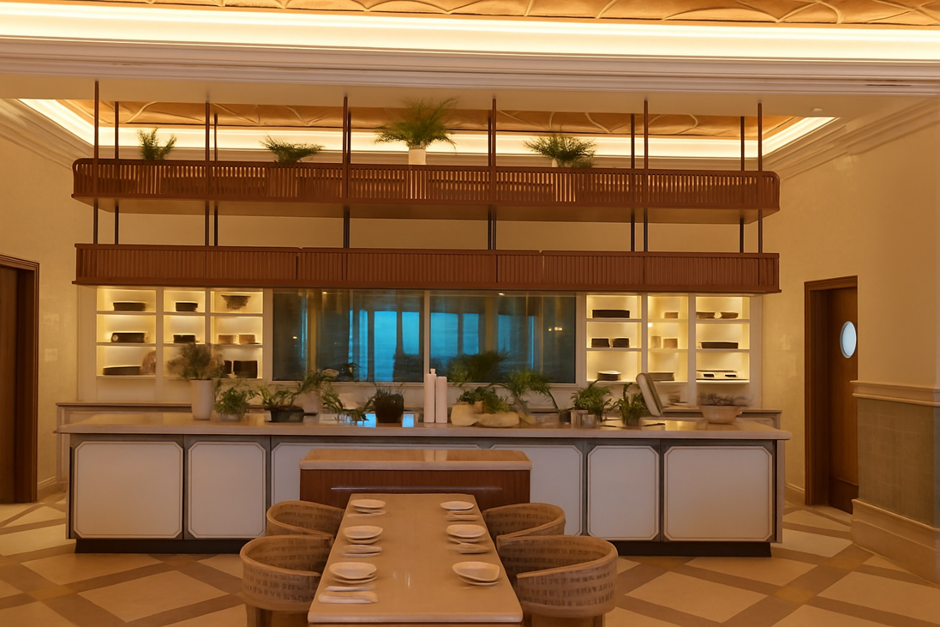
Lighting design isn’t an accessory; it’s the structure that makes everything else hold together. And more often than not, a well-considered design will reduce the number of fixtures, simplify control, and create a better result – visually and financially.
Cutting the design budget can look like an easy win early on. But it’s often a short-term saving with long-term consequences, from over-lit spaces and excessive energy use, to higher maintenance and replacement costs. The irony is that well-planned design actually protects budgets. It prevents waste, extends the life of the installation, and avoids the expensive cycle of “fixing” things that weren’t designed properly in the first place.
Lighting design decisions made with foresight tend to cost less over the life of the project.
It’s easy to measure what something costs. It’s harder to measure how it feels when you walk into a space and everything just works – the atmosphere, the balance, the quiet sense of comfort. That’s what design delivers. It’s not about luxury; it’s about making sure the end result lives up to its purpose.
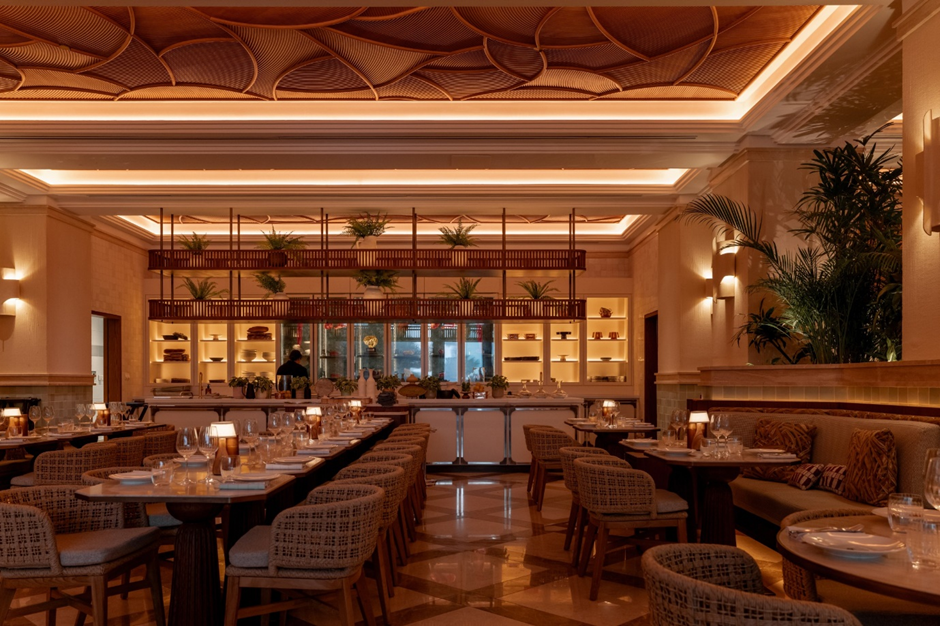
So yes, design has a price. But the cost of getting it wrong is far higher.
When done well, lighting design doesn’t just illuminate architecture. It protects your investment, supports wellbeing, and turns a building into an experience people remember.
Great design doesn’t demand more budget, it demands more thought. And that thought is what saves money, protects value, and turns a project into something lasting – proving once again the enduring value of lighting design.